Factors that Affect the Cost of a Septic System
Understanding the Key Considerations for Efficient Wastewater Treatment on Your Property
Local Regulations: Local regulations and requirements can also affect the cost of a septic system. Regulations regarding septic systems vary from location to location, and some areas have more stringent regulations that can increase the cost of installation and maintenance.
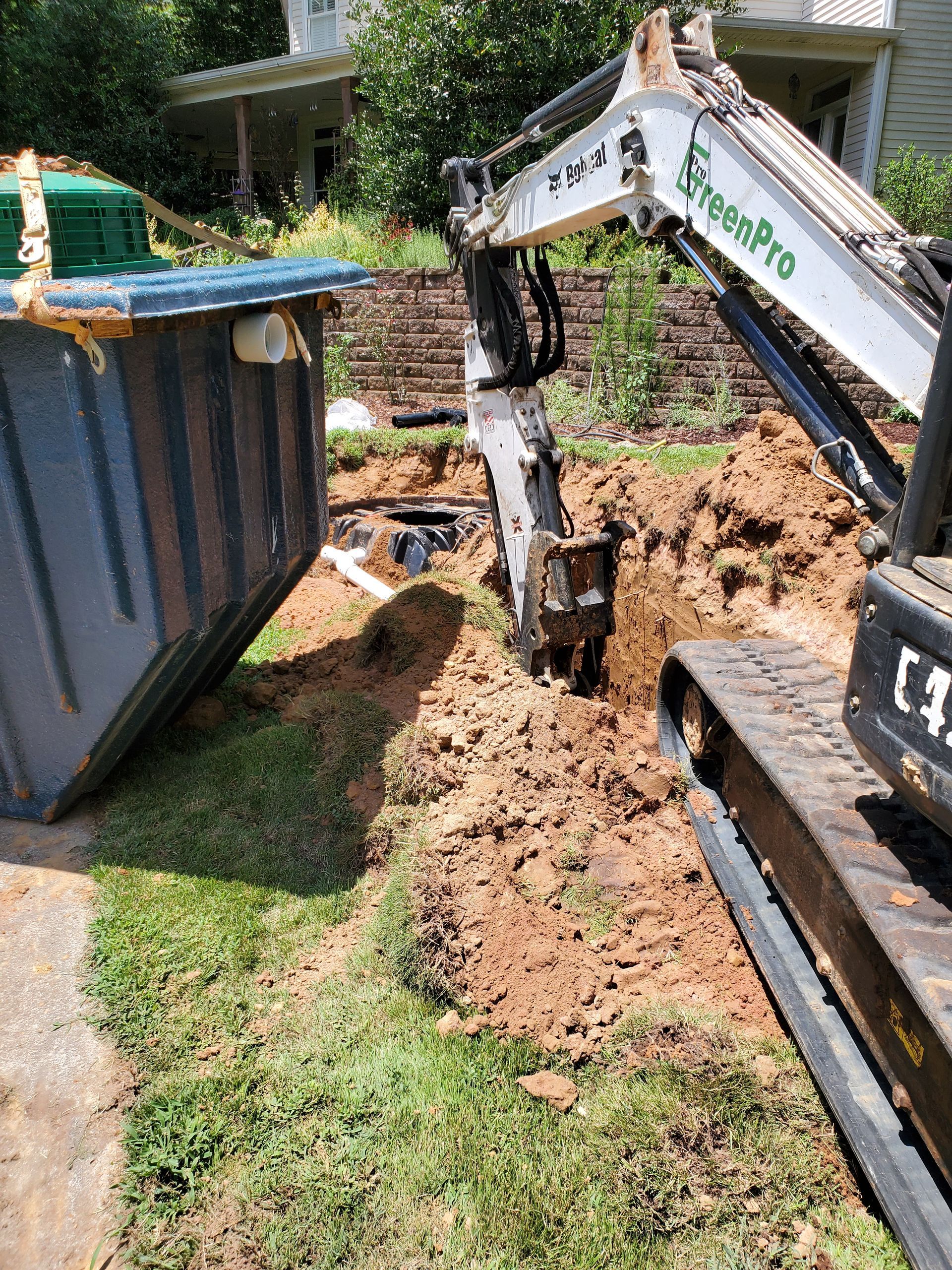
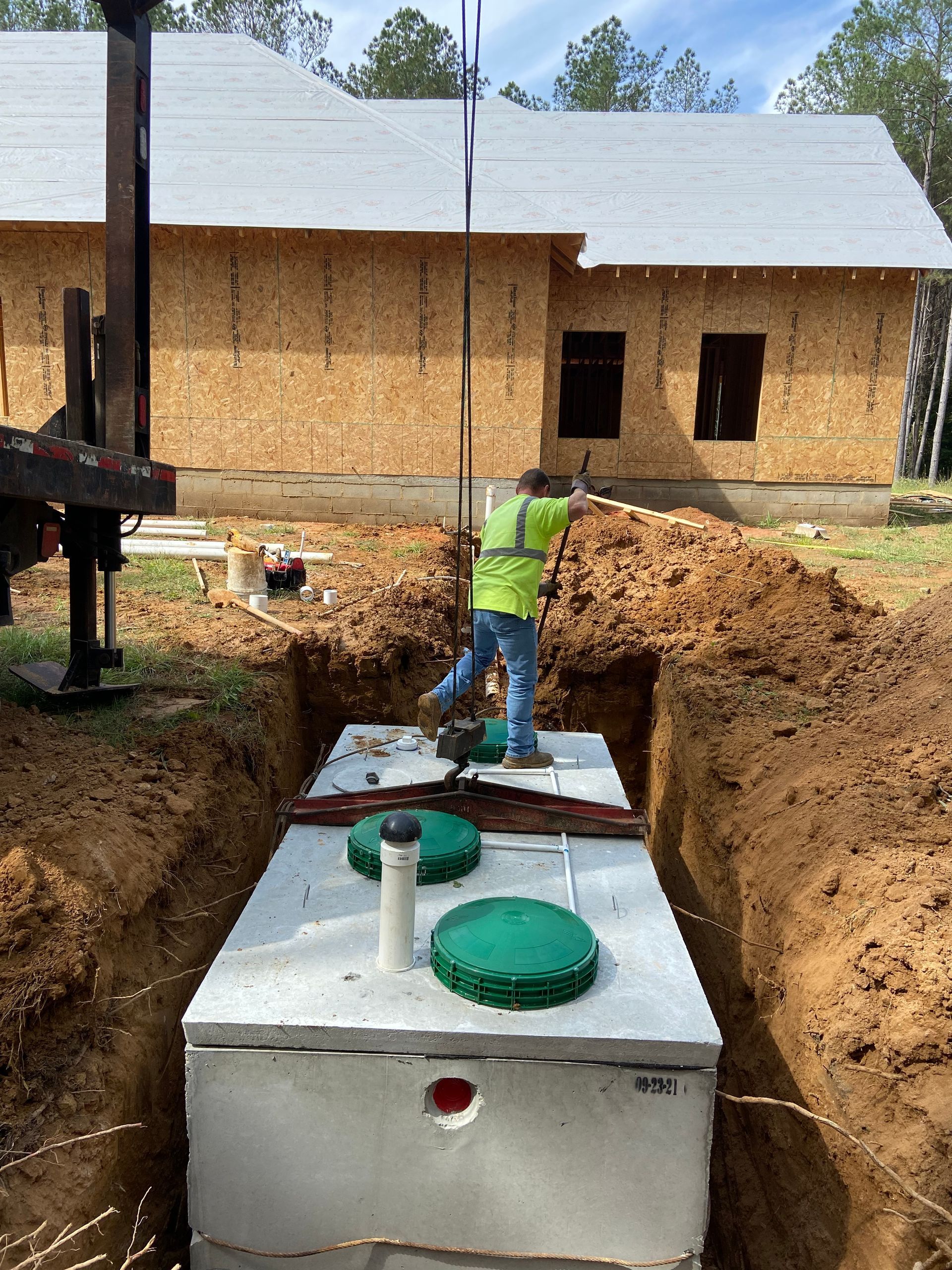
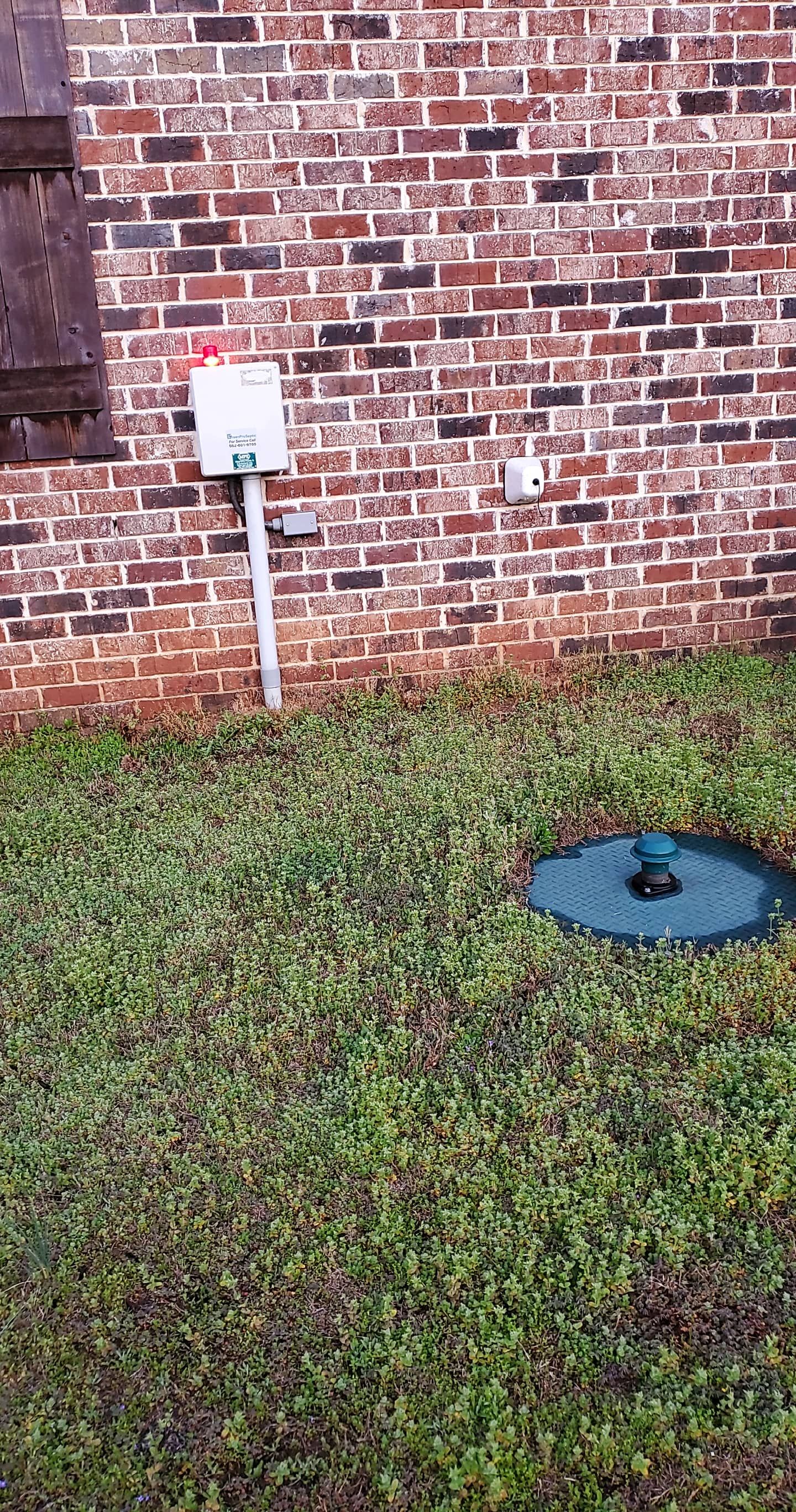
Type of System: The type of septic system you choose also affects the cost. Conventional systems are generally less expensive than alternative systems such as aerobic treatment units or mound systems.
Maintenance Requirements: The maintenance requirements of your septic system can affect the overall cost. Some systems require more frequent maintenance than others, which can increase the overall cost of the system over time.
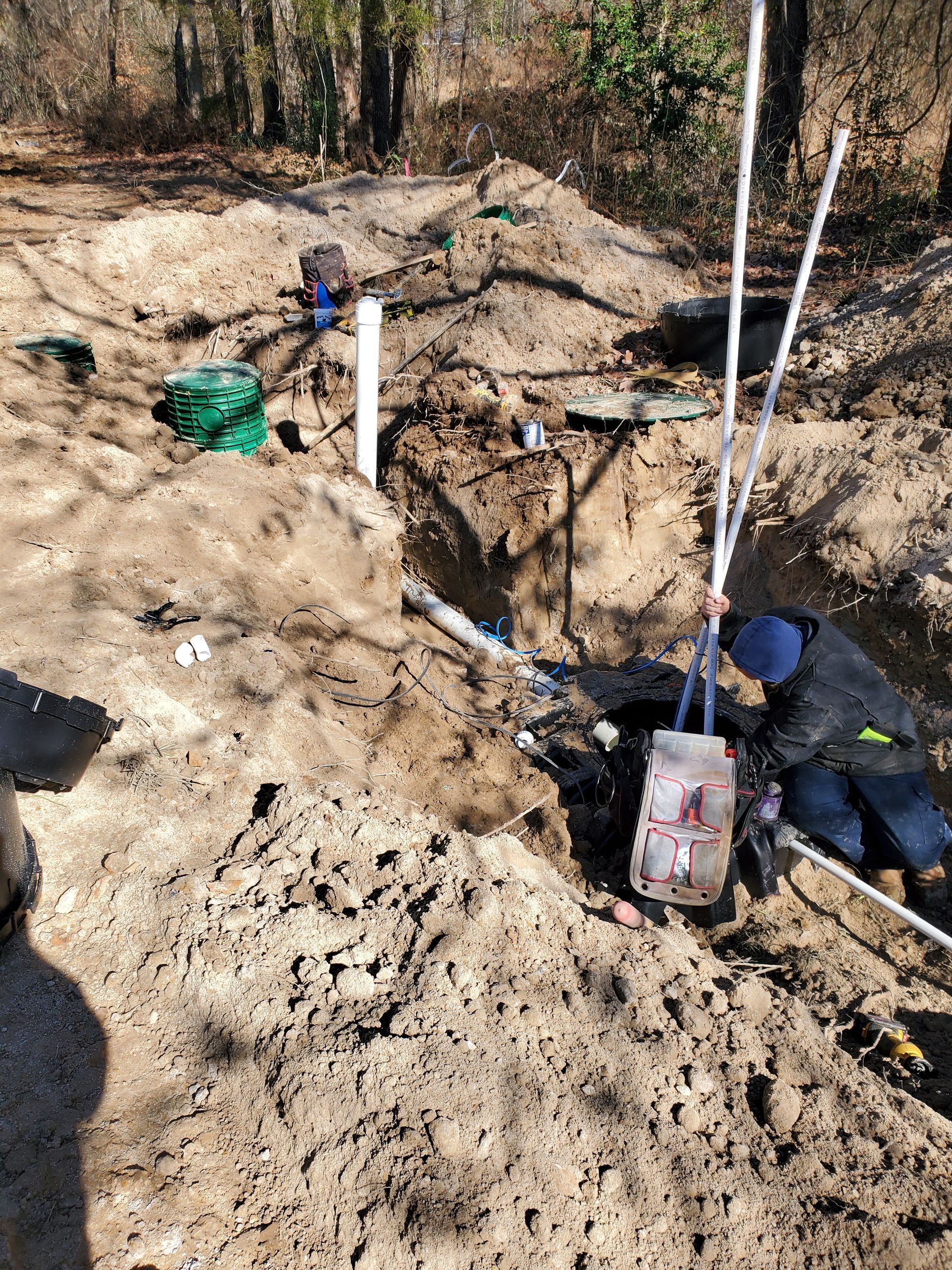
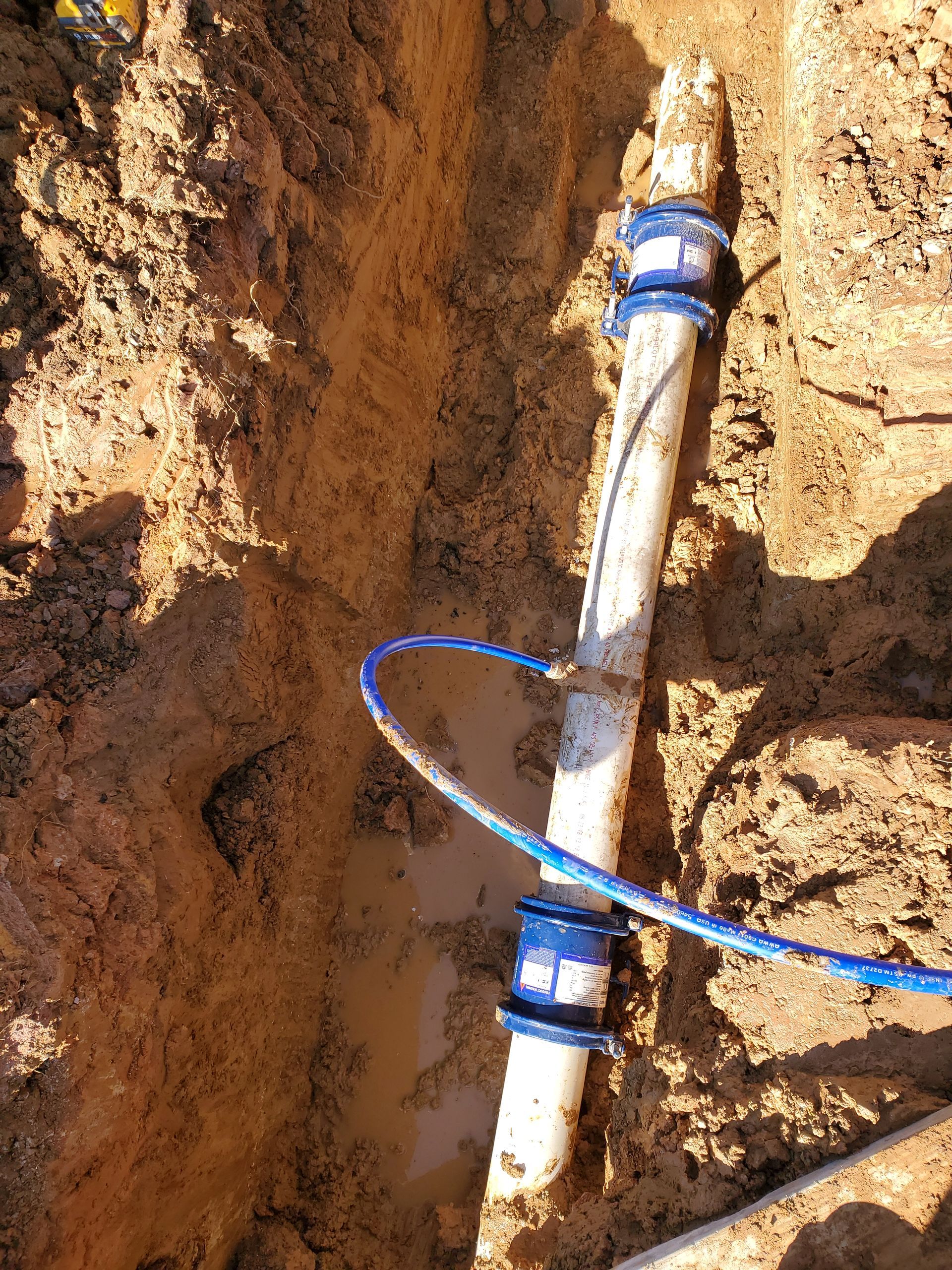
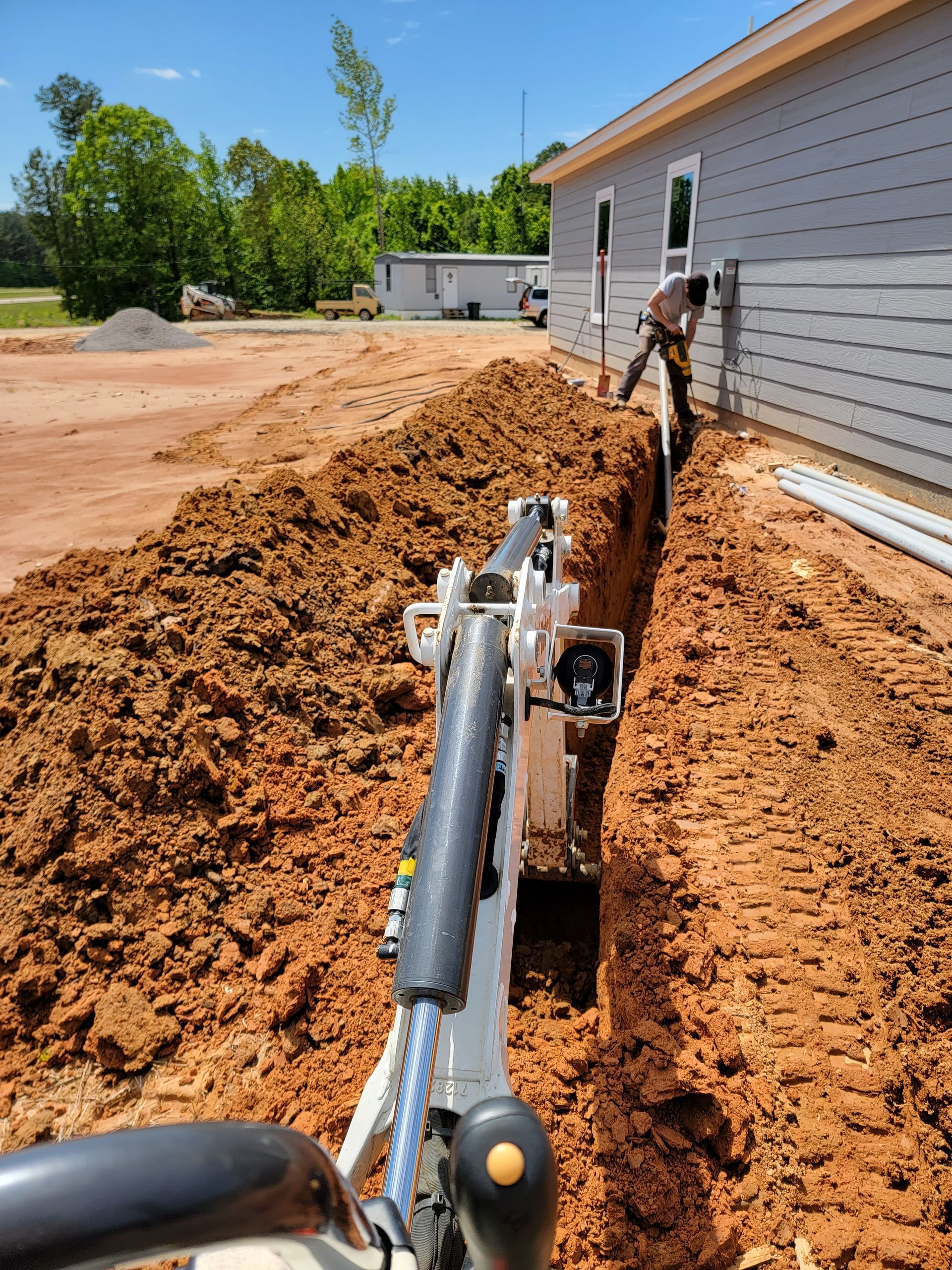
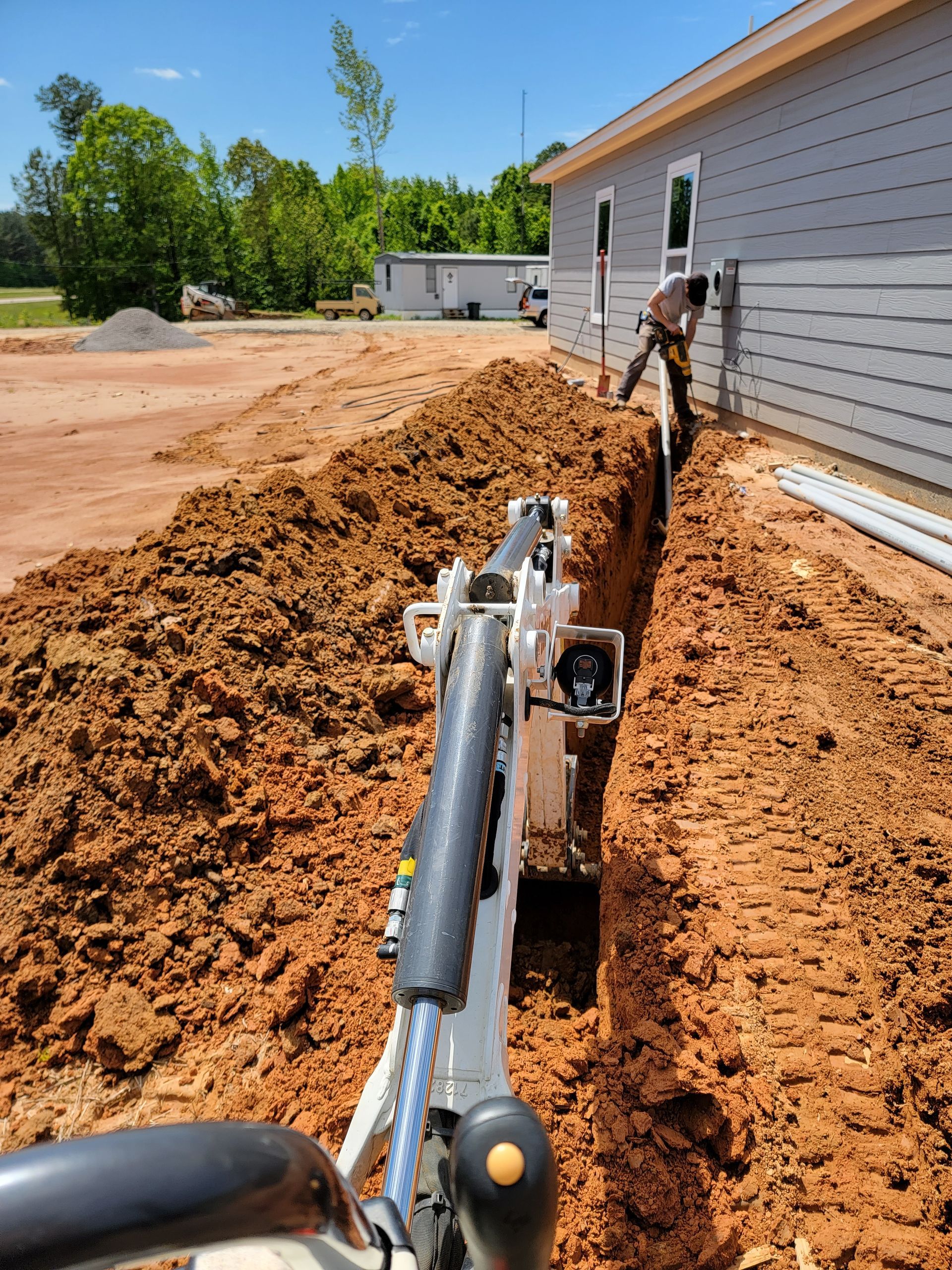
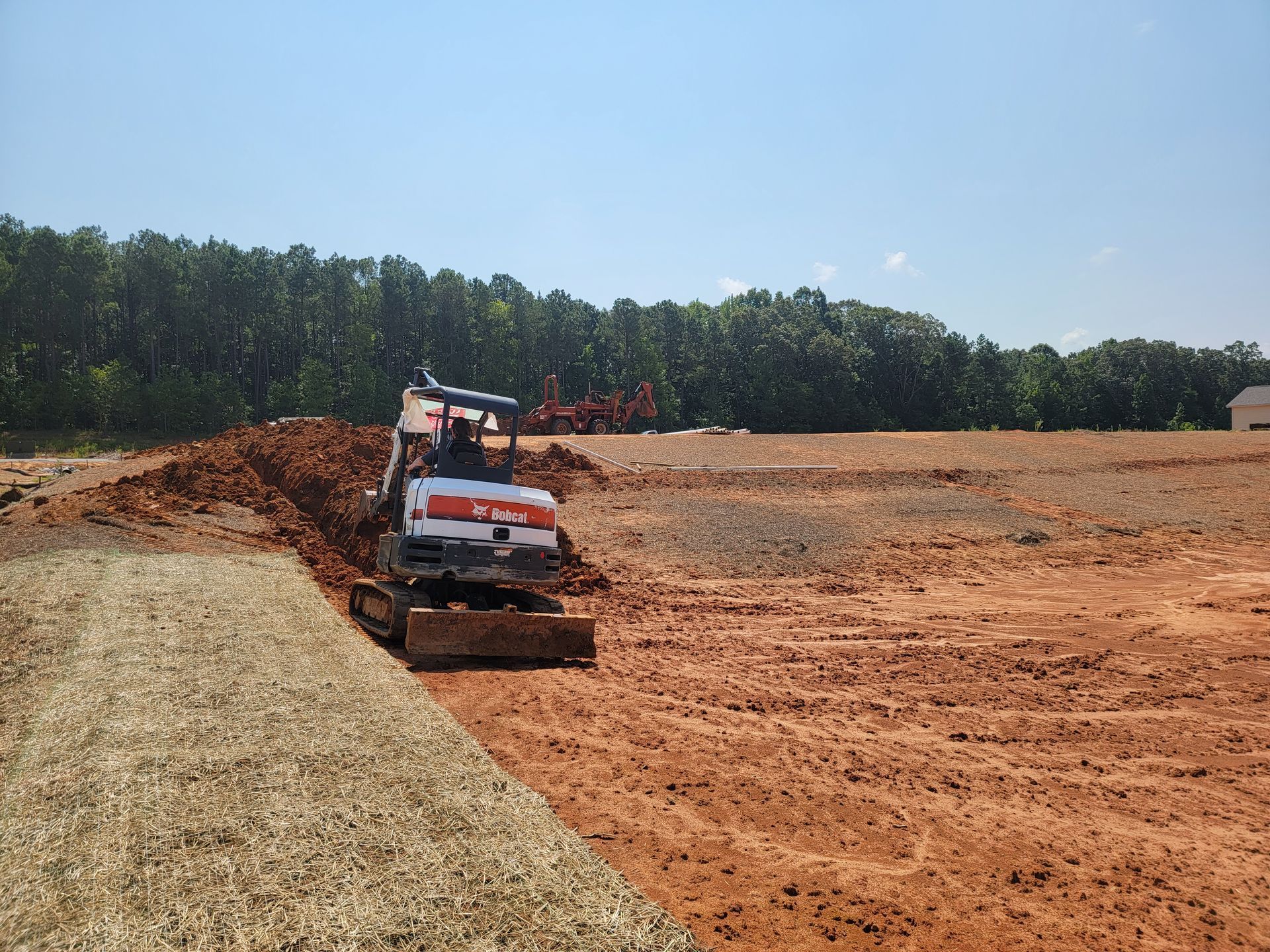
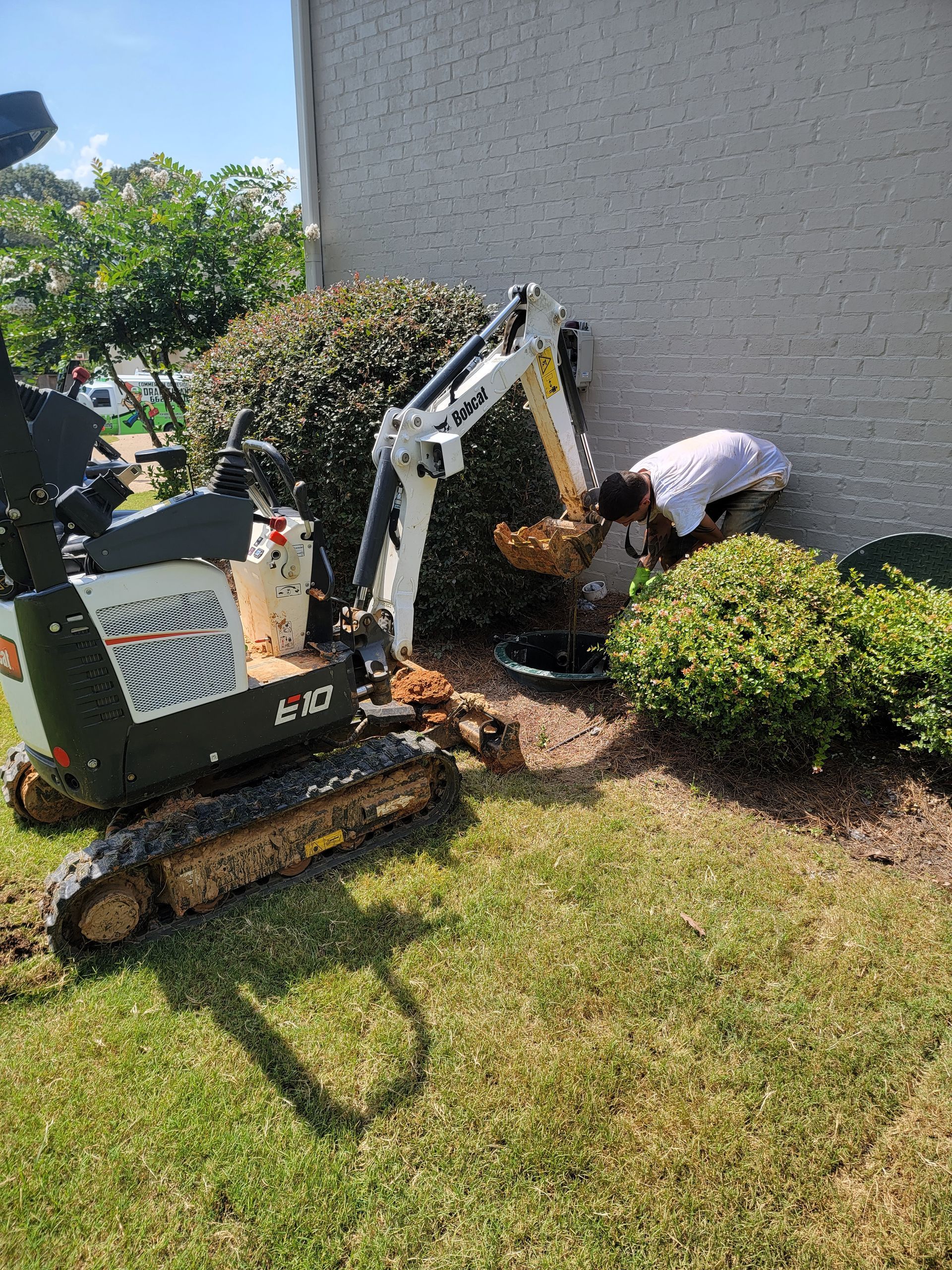
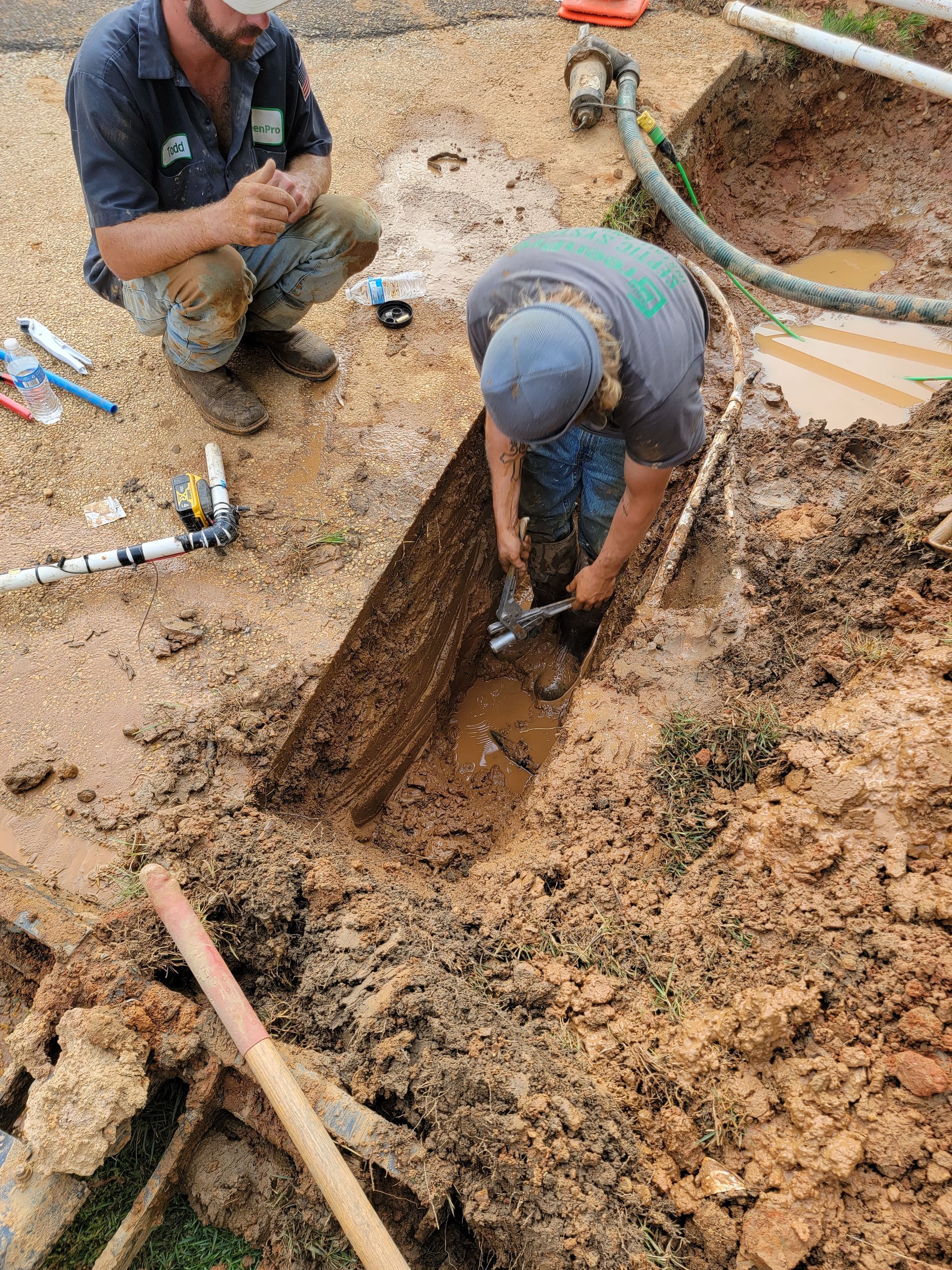
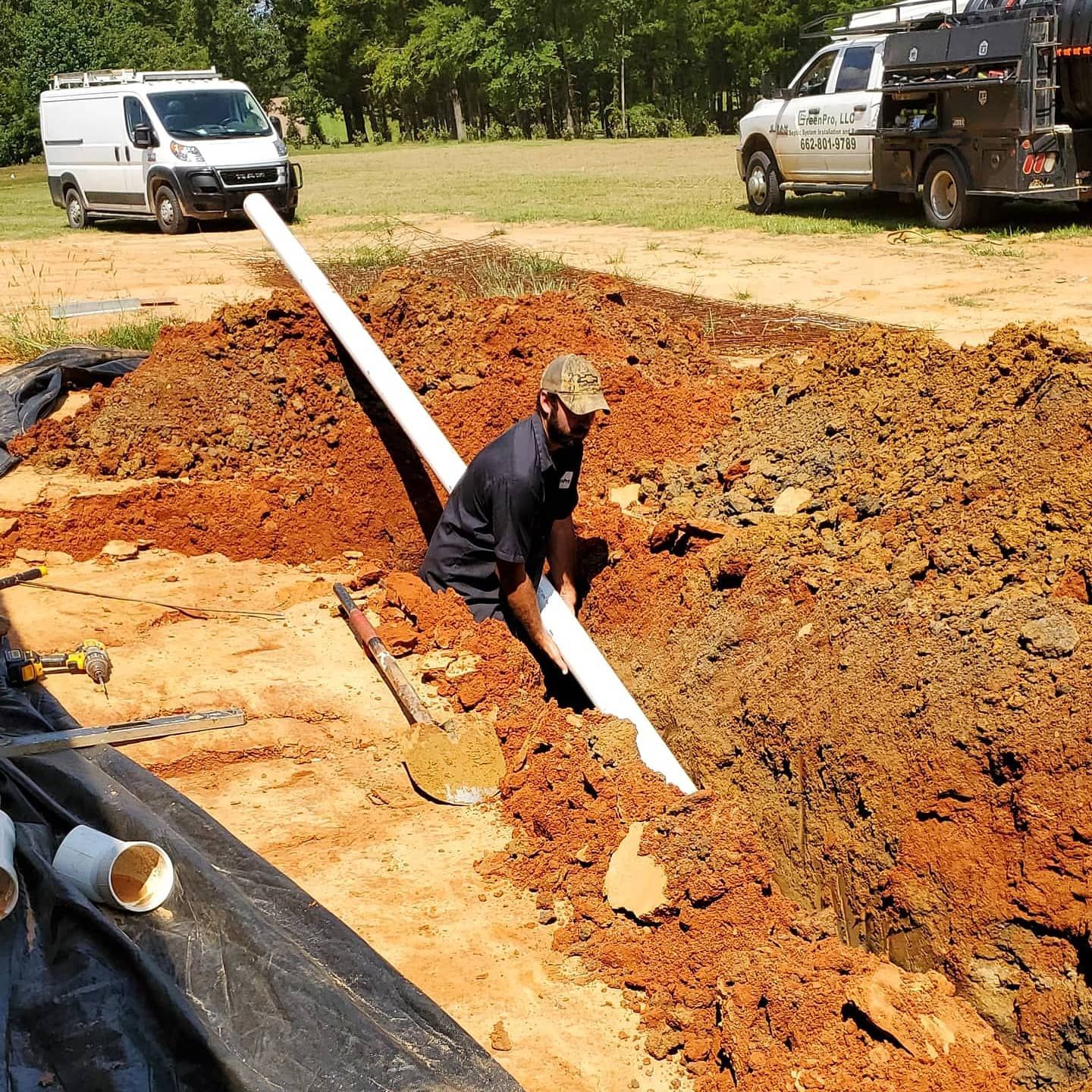
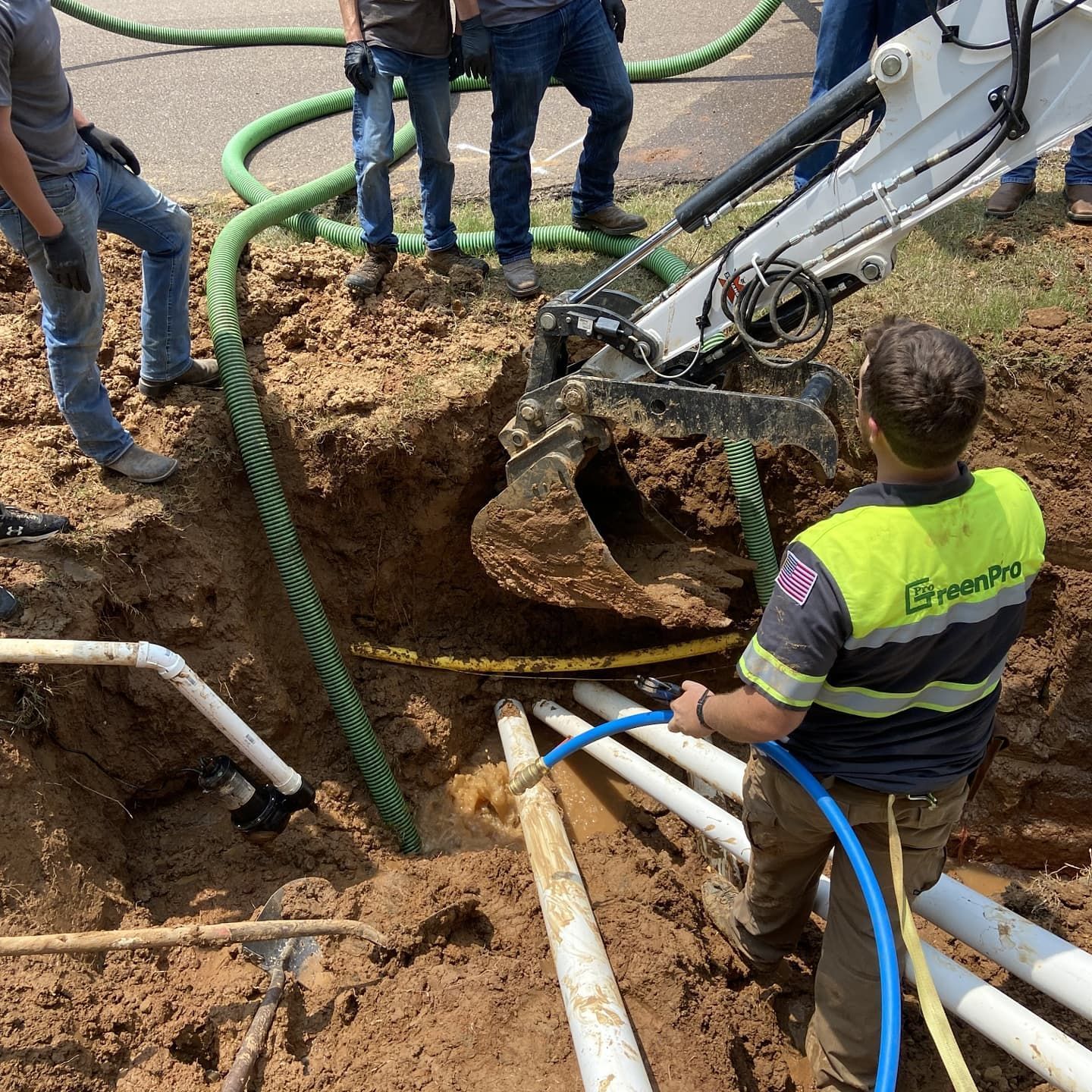
Professional Services: The cost of professional services such as soil testing, system design, and installation also affects the overall cost of a custom septic system.
Conclusion
In conclusion, several factors affect the cost of a custom septic system, including soil type, property size, local regulations, type of system, maintenance requirements, and professional services. It's essential to take these factors into consideration when planning and budgeting for a septic system to ensure that your system is efficient, effective, and within your budget. Consult with a professional septic service provider to develop a custom plan that meets your specific needs and budget. A well-designed septic system will ensure efficient wastewater treatment on your property for many years to come.