
Keep it Flowing: Preparing Your Septic System Before an Extended Vacation
June 22, 2023
How to Prepare Your Septic System For Your Extended Vacation
Before embarking on an extended vacation, you might be thinking about securing your home, packing your suitcase, or planning your itinerary. However, one crucial item that often gets overlooked is your septic system. It's essential to prepare your system properly to prevent any potential issues from arising while you're away. Here's a step-by-step guide to get you started.
Step 1: Schedule a Professional Inspection
Before leaving, have your septic system professionally inspected. This helps ensure that there are no looming problems that could arise during your absence. The inspector will check for leaks, blockages, and the general health of your system. If your system is due or almost due for a pump-out, it's wise to have this done before you leave.
Step 2: Conserve Water in the Weeks Leading up to Your Vacation
Excessive water usage can stress a septic system, causing it to work overtime. In the weeks leading up to your departure, try to limit water usage. Spread out laundry days, avoid long showers, and consider using disposable plates and utensils to minimize dishwashing.
Step 3: Check for Dripping Faucets or Running Toilets
A continuously running toilet or a dripping faucet can significantly add to the water volume in your septic system. Ensure all your plumbing fixtures are in good working condition and aren't leaking water into your system.
Step 4: Limit the Use of Heavy Appliances
Heavy appliances like washing machines and dishwashers can put extra strain on your septic system. Try to limit their use leading up to your departure, and certainly, ensure they won’t be running while you’re away.
Step 5: Avoid Using Chemical Drain Cleaners
If you experience a slow or clogged drain before your vacation, steer clear of chemical drain cleaners. They can harm your septic system's bacterial balance, disrupting its ability to break down waste. Instead, use natural methods or call in a professional for stubborn clogs.
Step 6: Secure the System
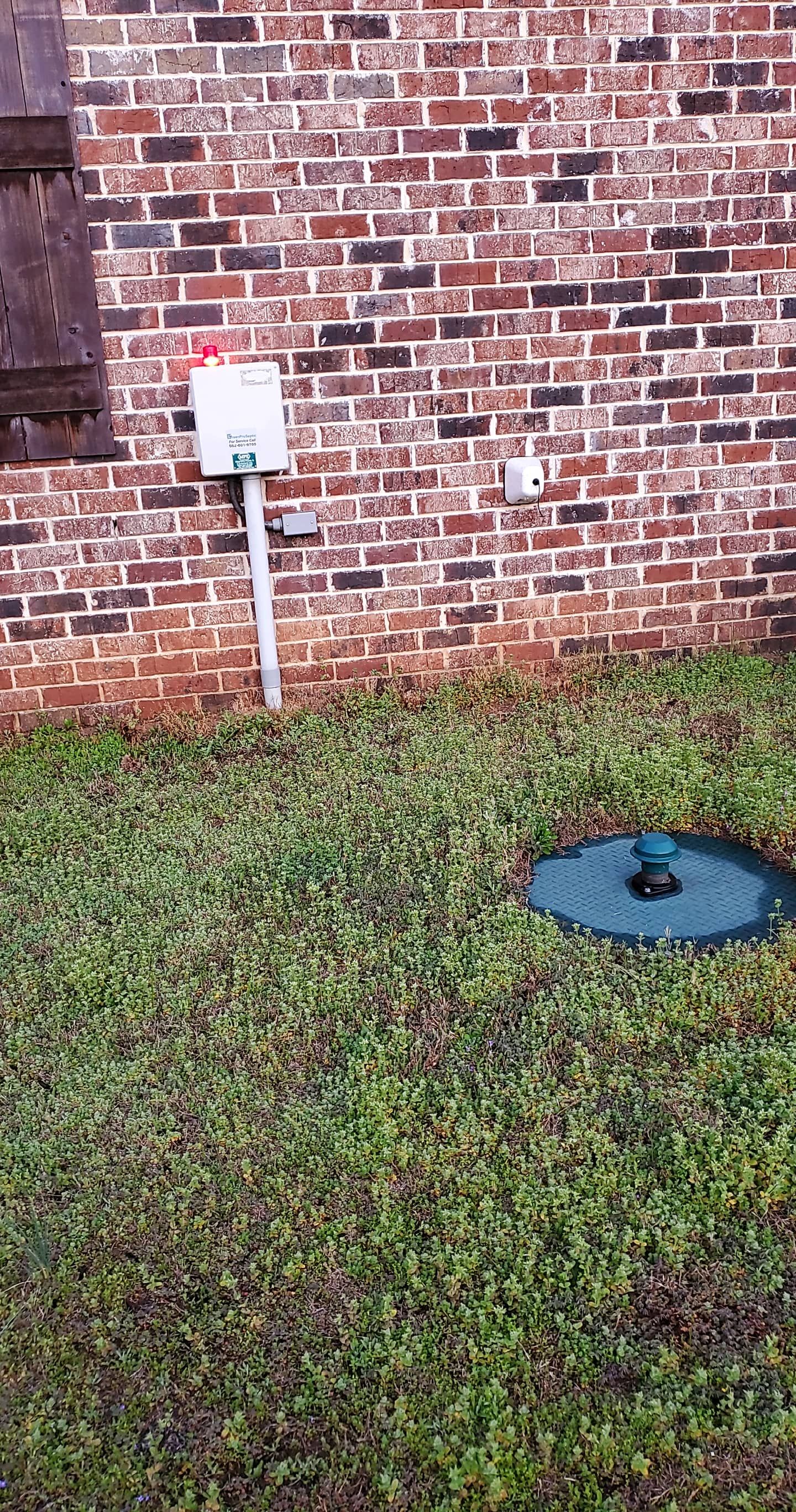
Check the access lids and covers to ensure they are secured and will stay that way while you're gone. If you have an advanced system with electrical components, it might be prudent to turn off the power supply to prevent potential electrical issues.
Step 7: Notify a Neighbor or Property Manager
Let a trusted neighbor or property manager know about your vacation and request that they keep an eye on your property for any signs of septic system failure, like foul smells, standing water, or lush green grass over the drain field.
Step 8: Don’t Shut Off Your Home’s Heating
If you’re vacationing in colder months, ensure your home's heating is set to a low temperature, but not completely off. This can prevent pipes from freezing, which could potentially damage your septic system.
Leaving your home for an extended period should be a cause for excitement, not stress. By preparing your septic system properly before you leave, you can enjoy your trip knowing that you've taken proactive steps to keep your system healthy while you're away. So pack your bags, lock your doors, and set off with peace of mind!


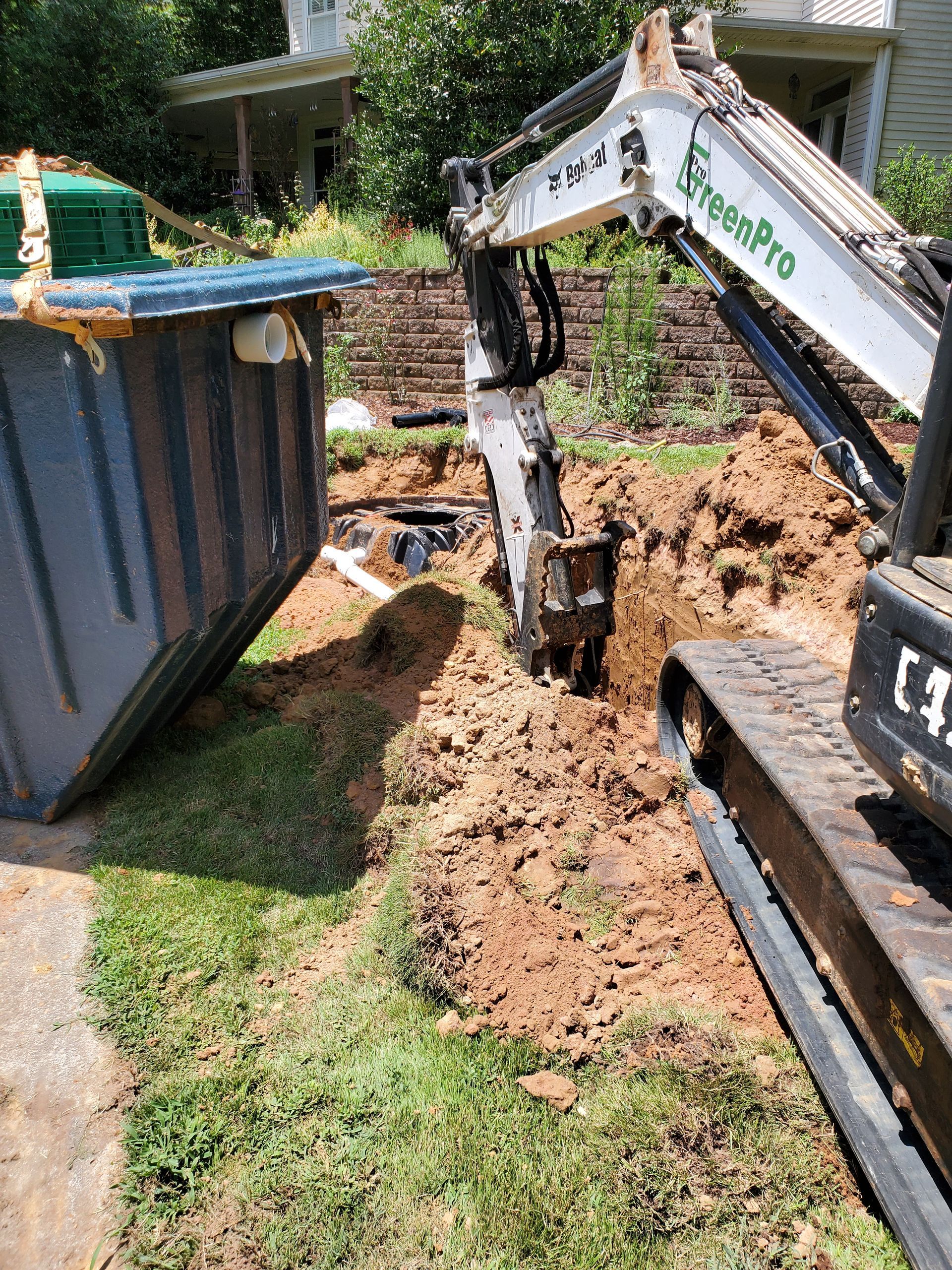


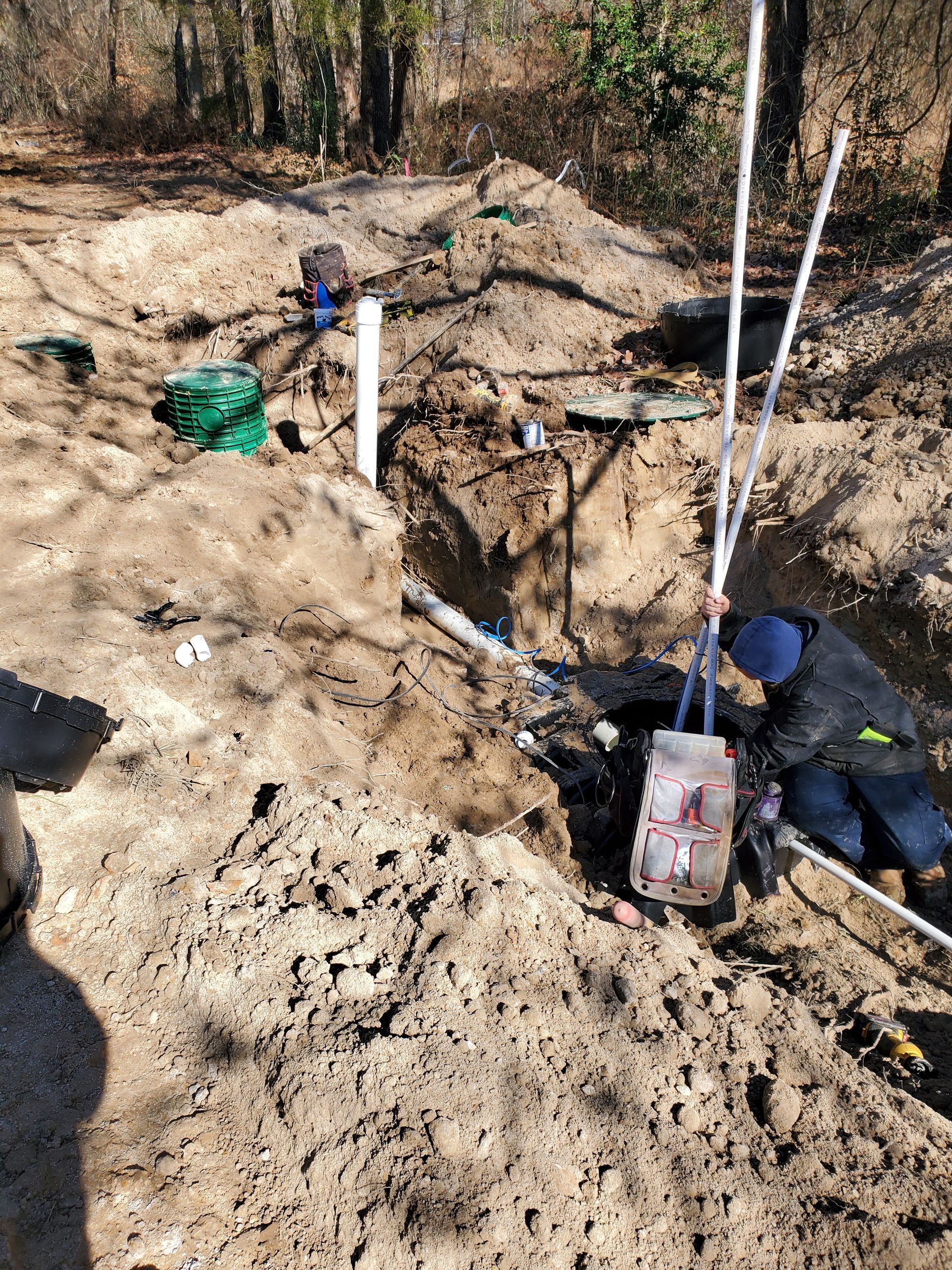
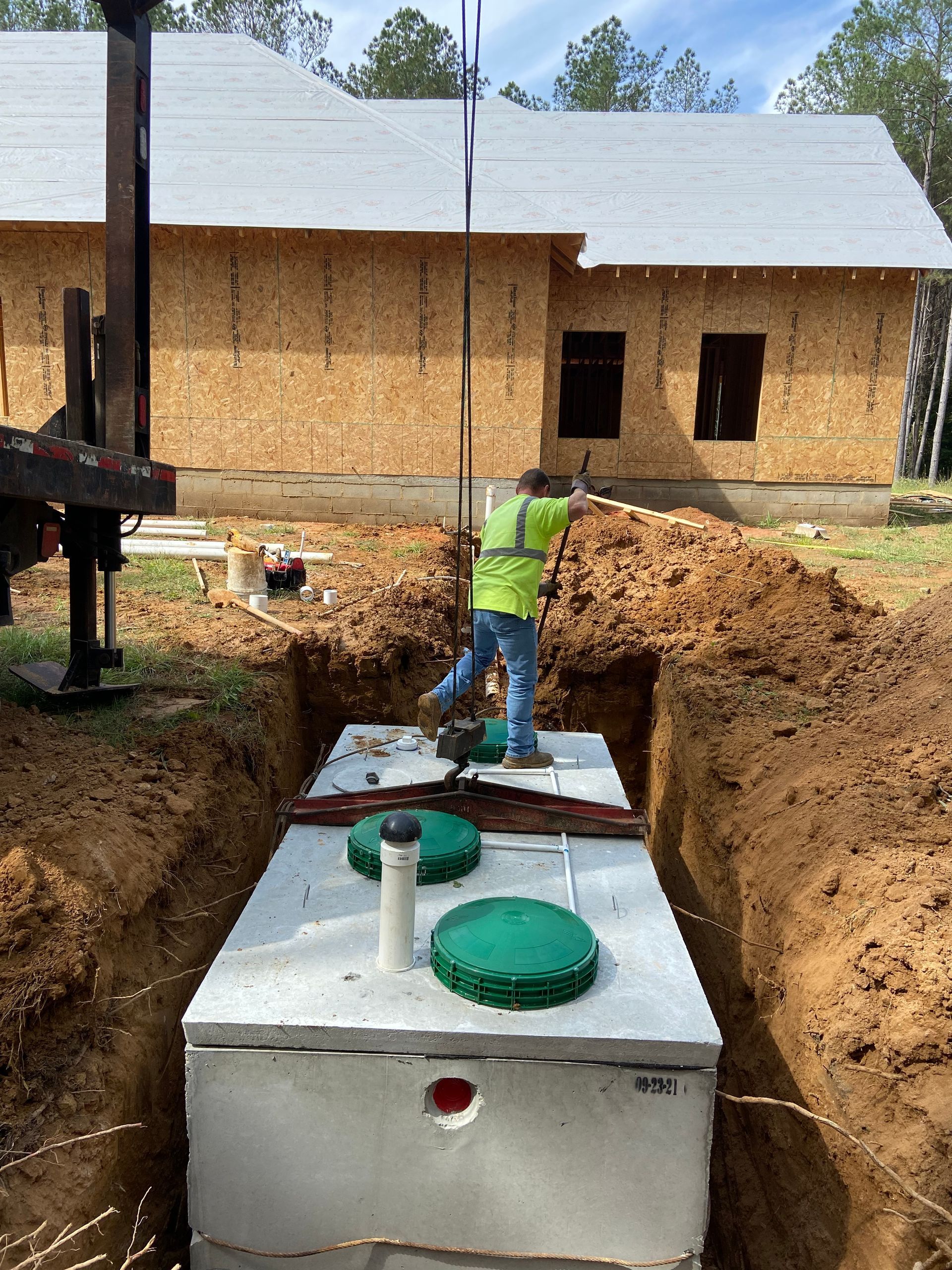


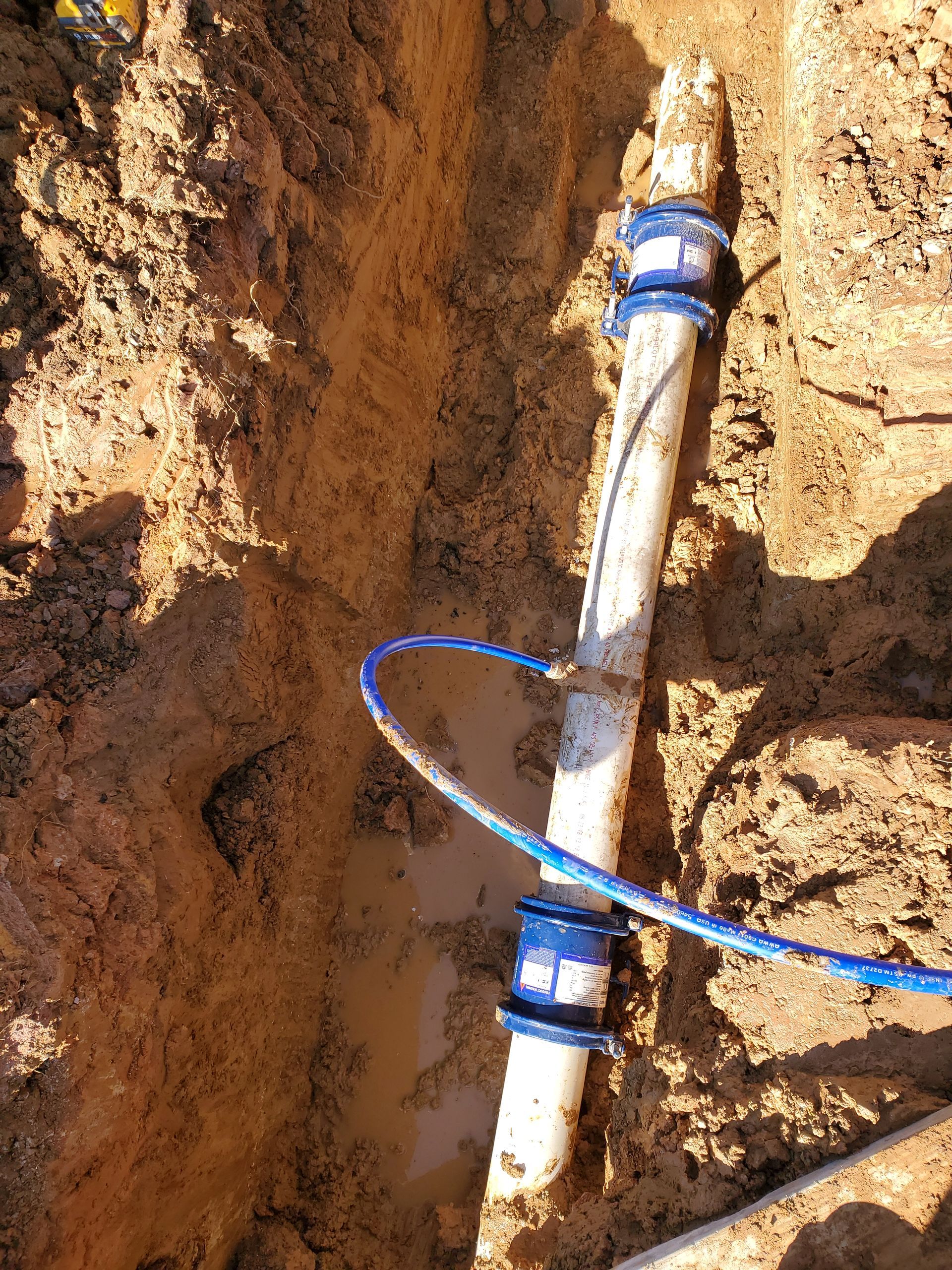



































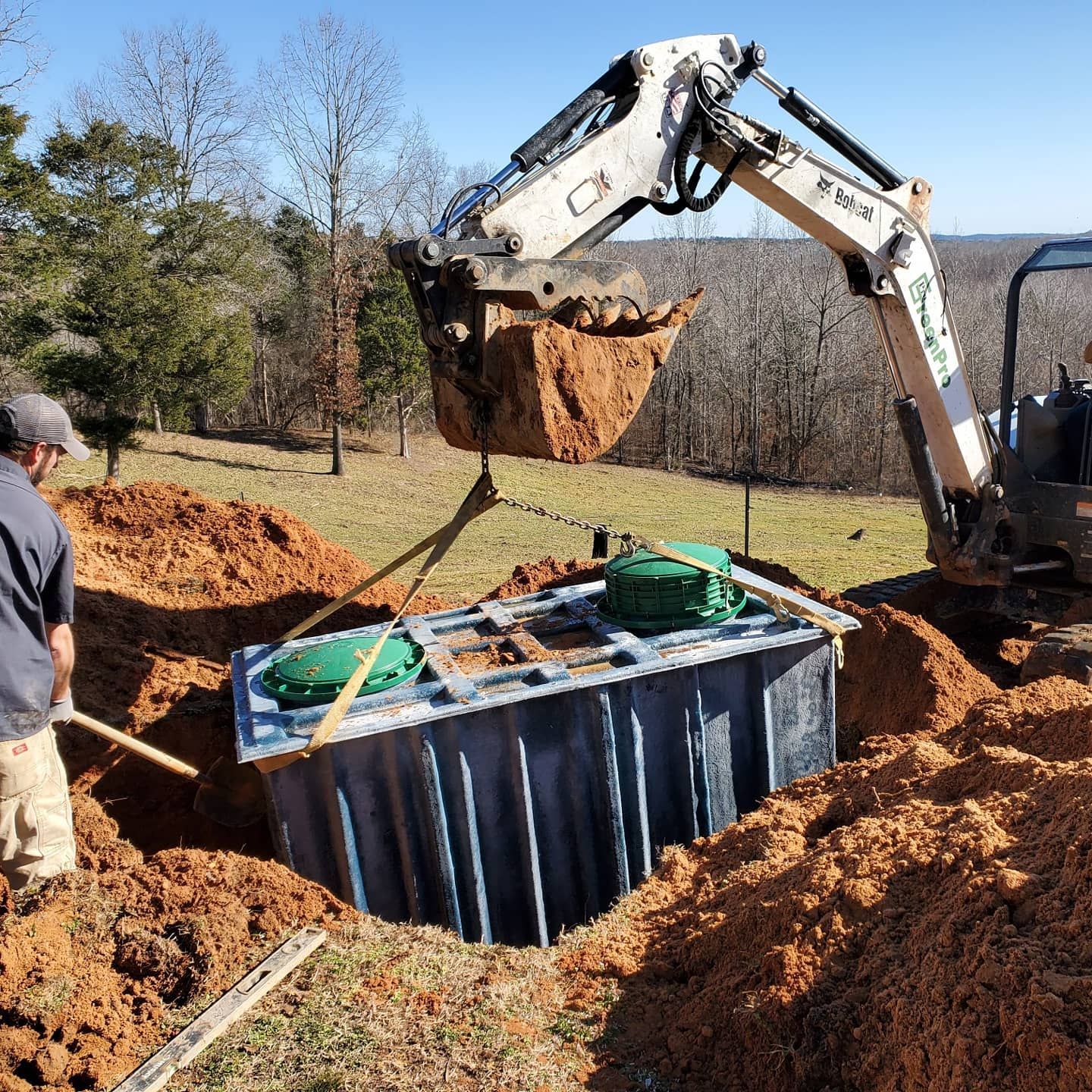


View more
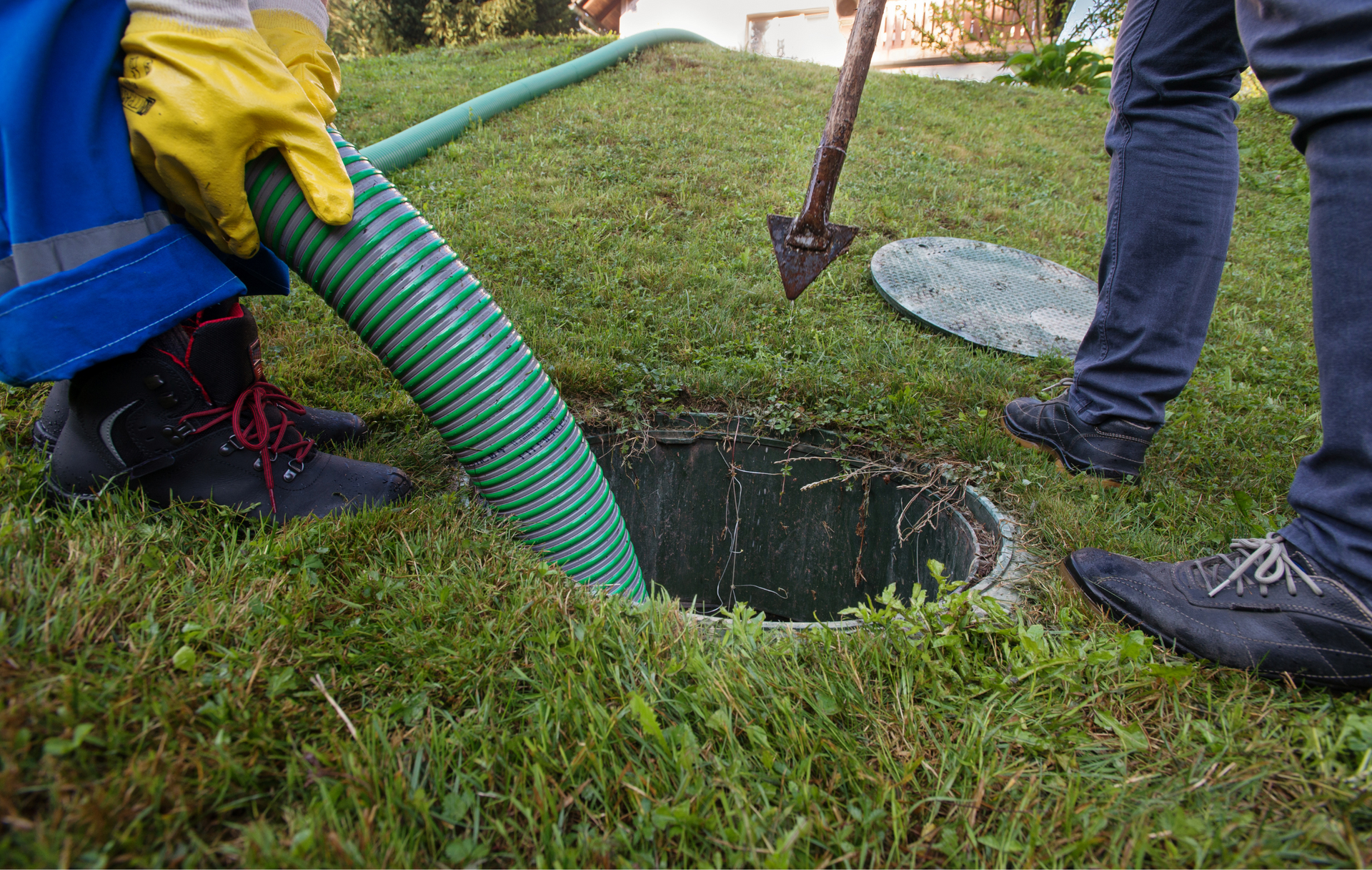
Septic systems are a critical component of residential properties in Holly Springs, MS, and proper maintenance is essential to ensure their longevity and optimal performance. Regular maintenance not only prevents costly repairs but also protects the environment and promotes public health. In this article, we'll explore the importance of septic system maintenance in Holly Springs, MS, and the key steps homeowners can take to preserve the longevity of their systems. Routine Inspections: Regular inspections are the cornerstone of effective septic system maintenance in Holly Springs, MS. Homeowners should schedule routine inspections with qualified professionals to assess the condition of their septic tanks, distribution lines, and drain fields. These inspections help identify any potential issues early on, allowing for timely repairs and preventing more significant problems down the line. Pumping Schedule: Regular septic tank pumping is crucial for preventing system failures and prolonging the lifespan of the entire septic system in Holly Springs, MS. The frequency of pumping depends on factors such as household size, water usage, and tank size. Homeowners should work with septic professionals to establish a pumping schedule tailored to their specific needs. Proper Waste Disposal: Proper waste disposal practices are essential for maintaining a healthy septic system in Holly Springs, MS. Homeowners should avoid flushing non-biodegradable items, such as paper towels, wipes, and hygiene products, down the toilet. Additionally, they should be mindful of what goes down the kitchen sink and avoid pouring grease, oils, and food scraps down the drain. Water Conservation: Conserving water is not only beneficial for the environment but also for septic system longevity in Holly Springs, MS. Excessive water usage can overload the system and lead to premature failure. Homeowners should implement water-saving measures, such as fixing leaks, installing low-flow fixtures, and spreading out laundry and dishwasher loads throughout the week. Soil and Landscaping Considerations: The condition of the soil and landscaping around the septic system can impact its performance and longevity in Holly Springs, MS. Homeowners should avoid planting trees and shrubs with invasive root systems near the septic system components. Additionally, they should refrain from compacting the soil above the drain field, as this can hinder proper drainage. Conclusion: Proper maintenance is essential for ensuring the longevity and optimal performance of septic systems in Holly Springs, MS. By adhering to a regular maintenance schedule, implementing proper waste disposal practices, conserving water, and considering soil and landscaping factors, homeowners can protect their investment and enjoy trouble-free septic system operation for years to come.
In Holly Springs, MS, maintaining a properly functioning septic system is essential for homeowners to ensure the health, safety, and environmental integrity of their properties. With the expertise of professional septic system service providers, residents can address their unique needs and challenges. This article explores the importance of expert septic system service in Holly Springs, MS, and how it caters to the specific requirements of residents. Comprehensive Inspections: Expert septic system service in Holly Springs, MS, begins with comprehensive inspections conducted by trained technicians. These inspections involve a thorough assessment of the entire septic system, including the tank, distribution lines, and drain field. By identifying potential issues early on, residents can prevent costly repairs and system failures. Customized Maintenance Plans: Every septic system in Holly Springs, MS, has its own set of requirements based on factors such as household size, usage patterns, and soil composition. Expert septic system service providers understand this and offer customized maintenance plans tailored to each resident's specific needs. These plans may include regular pumping schedules, inspections, and recommendations for system enhancements. Timely Repairs and Upgrades: In the event of a septic system malfunction or failure, residents in Holly Springs, MS, can rely on expert service providers to deliver timely repairs and upgrades. Whether it's a minor issue like a clogged drain line or a major problem like a damaged tank, experienced technicians have the knowledge and tools to resolve the issue efficiently. Additionally, they can recommend and implement system upgrades to improve performance and longevity. Environmental Compliance: Maintaining compliance with local regulations and environmental standards is crucial for septic system owners in Holly Springs, MS. Expert septic system service providers are well-versed in these regulations and ensure that all maintenance and repair work is conducted in accordance with legal requirements. By adhering to environmental standards, residents can avoid fines and penalties while protecting the surrounding ecosystem. Emergency Response: Septic system emergencies can occur unexpectedly and require immediate attention to prevent further damage and contamination. Expert septic system service providers in Holly Springs, MS, offer emergency response services to address urgent issues such as backups, overflows, and leaks. With prompt and efficient assistance, residents can minimize the impact of emergencies on their properties and the environment. Conclusion: Expert septic system service plays a vital role in meeting the diverse needs of residents in Holly Springs, MS. From comprehensive inspections to timely repairs and upgrades, professional service providers ensure that septic systems operate efficiently, comply with regulations, and safeguard the local environment. By entrusting their septic system maintenance to experts, residents can enjoy peace of mind knowing that their properties are in capable hands.

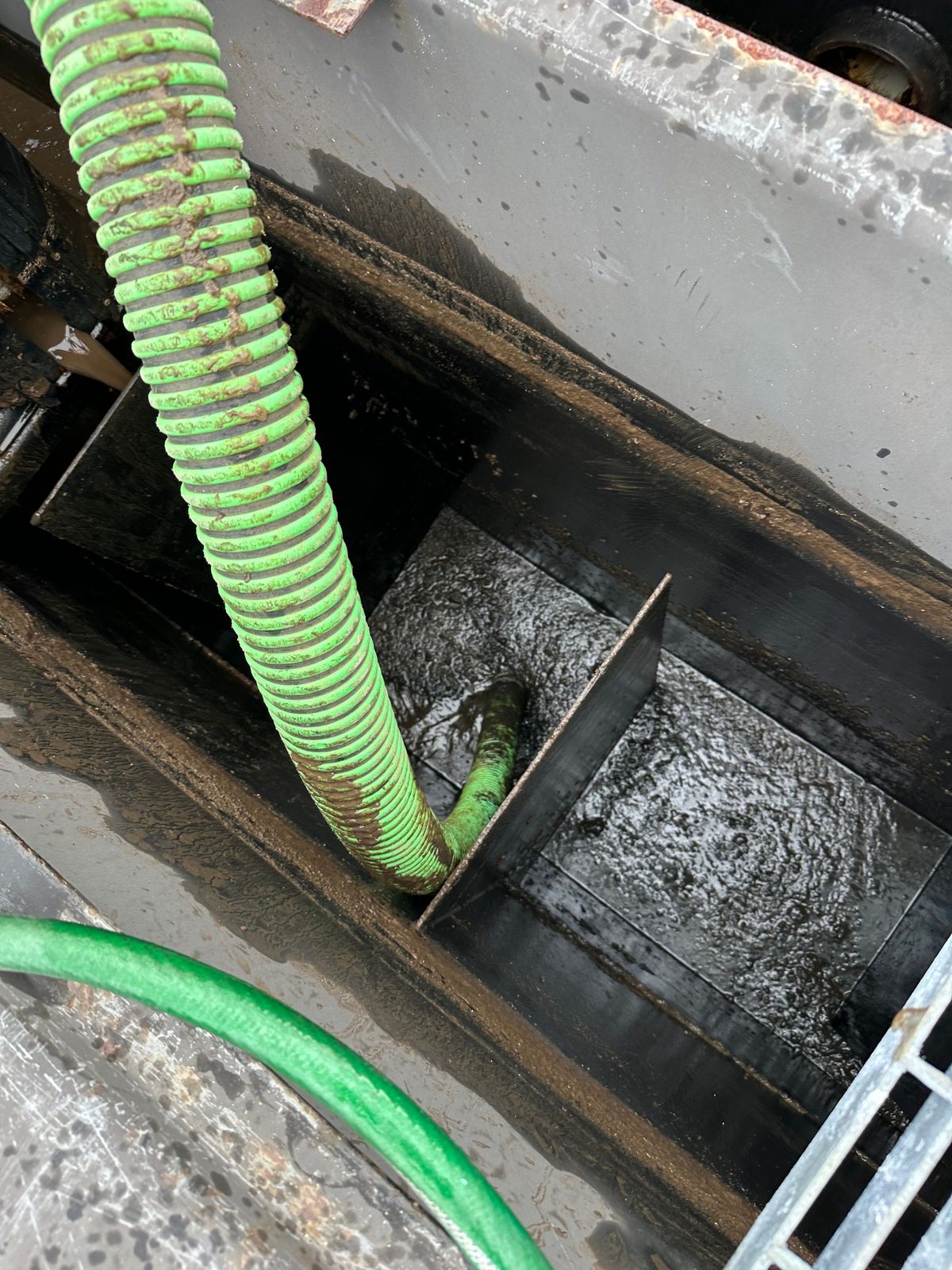
Septic tank pumping is a vital component of septic system maintenance for homeowners in Holly Springs, MS. Regular pumping helps prevent system failures, backups, and environmental contamination by removing accumulated solids and sludge from the tank. This article explores the importance of septic tank pumping in Holly Springs, MS, and highlights the key considerations for homeowners. Preventing System Failures: Over time, solid waste and sludge accumulate in the septic tank, reducing its capacity for wastewater treatment. Without regular pumping, these accumulated solids can overwhelm the tank, leading to backups, odors, and potential damage to the system. Septic tank pumping in Holly Springs, MS, removes these solids, preventing system failures and ensuring continued functionality. Maintaining Proper Functionality: A properly functioning septic tank relies on a delicate balance of solids, liquids, and microorganisms to break down waste and treat wastewater effectively. When solids accumulate in the tank, this balance can be disrupted, leading to inefficiencies and reduced treatment capacity. Septic tank pumping in Holly Springs, MS, helps maintain this balance by removing excess solids and allowing the tank to operate at optimal efficiency. Ensuring Environmental Protection: Septic tank pumping in Holly Springs, MS, is not only essential for preserving the functionality of the septic system but also for protecting the surrounding environment. Without proper maintenance, septic tanks can leak or overflow, releasing harmful pathogens and pollutants into the soil and groundwater. Regular pumping helps prevent these environmental hazards, ensuring clean water quality and safeguarding public health. Frequency of Pumping: The frequency of septic tank pumping in Holly Springs, MS, depends on several factors, including household size, water usage, and tank capacity. As a general rule, septic tanks should be pumped every 3 to 5 years to remove accumulated solids and maintain optimal performance. However, households with larger water usage or smaller tanks may require more frequent pumping to prevent issues. Professional Pumping Services: Professional septic tank pumping services in Holly Springs, MS, employ trained technicians and specialized equipment to safely and effectively remove solids from septic tanks. These professionals use vacuum trucks equipped with powerful pumps to extract the contents of the tank, ensuring thorough cleaning and proper disposal of waste. Additionally, professional pumpers may inspect the tank for signs of damage or leaks and provide recommendations for repairs or maintenance. Conclusion: Septic tank pumping is a crucial maintenance task for homeowners in Holly Springs, MS, helping to prevent system failures, protect the environment, and maintain proper functionality. By understanding the importance of regular pumping and working with professional service providers, homeowners can ensure the long-term performance and reliability of their septic systems.